
Are all cryptocurrencies the same
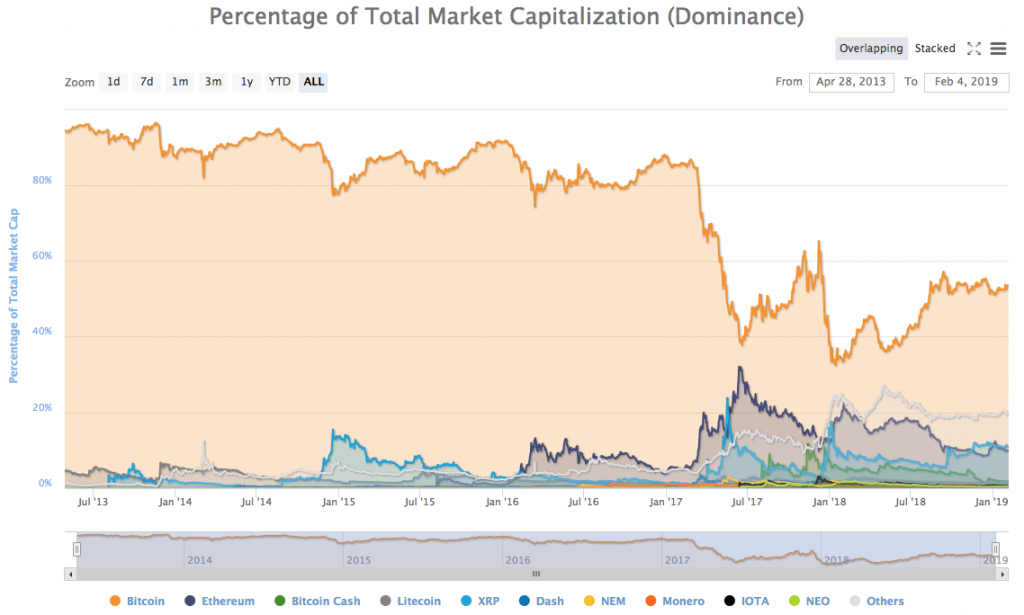
BTC’s stature as the first commercial crypto and the specific traits mentioned above determine its value. As of 4 December 2022, it enjoys a market dominance of 38 https://generoustroopers.com/.27%, making the entire crypto space respond to its price movements.
Cryptocurrencies, especially Bitcoin, have shown a correlation with traditional markets like the S&P 500. These markets are influenced by macroeconomic factors such as inflation rates, GDP growth, and unemployment rates. Therefore, when these factors affect traditional markets, they also impact the cryptocurrency market, leading to a coordinated movement.
Forks can also lead to uncertainty. When a blockchain splits into two versions, investors may hesitate, unsure of which version will gain traction. Bitcoin Cash, created from a bitcoin fork in 2017, saw initial volatility before stabilizing. Upcoming upgrades, like the Chang Hard Fork expected in 2024, are predicted to spark bullish trends based on historical patterns. These events demonstrate how technological changes can influence cryptocurrency prices both positively and negatively.
What is the market cap of all cryptocurrencies
A cryptocurrency exchange is a platform that facilitates markets for cryptocurrency trading. Some examples of cryptocurrency exchanges include Binance, Bitstamp and Kraken. These platforms are designed to provide the best possible prices for both buyers and sellers. Some exchanges only offer cryptocurrency markets, while others also allow users to exchange between cryptocurrencies and fiat currencies such as the US dollar or the euro. You can buy and sell Bitcoin on practically all cryptocurrency exchanges, but some exchanges list hundreds of different cryptocurrencies. One metric that is important for comparing cryptocurrency exchanges is trading volume. If trading volume is high, your trades will execute fast and at predictable prices.
A coin is a cryptocurrency that is the native asset on its own blockchain. These cryptocurrencies are required to pay for transaction fees and basic operations on the blockchain. BTC (Bitcoin) and ETH (Ethereum) are examples of coins.
Coinlore Independent Cryptocurrency Research Platform: We offer a wide range of metrics including live prices, market cap, trading volumes, historical prices, yearly price history, charts, exchange information, buying guides, crypto wallets, ICO data, converter, news, and price predictions for both short and long-term periods. Coinlore aggregates data from multiple sources to ensure comprehensive coverage of all relevant information and events. Additionally, we provide APIs and widgets for developers and enterprise users.
Bitcoin is the oldest and most established cryptocurrency, and has a market cap that is larger than all of the other cryptocurrencies combined. Bitcoin is also the most widely adopted cryptocurrency, and is accepted by practically all businesses that deal with cryptocurrency.
ICO stands for Initial Coin Offering and refers to a method of raising capital for cryptocurrency and blockchain-related projects. Typically, a project will create a token and present their idea in a whitepaper. The project will then offer the tokens for sale to raise the capital necessary for funding development. Even though there have been many successful ICOs to date, investors need to be very careful if they are interested in purchasing tokens in an ICO. ICOs are largely unregulated, and very risky.
Do all cryptocurrencies use blockchain
Existing DAG networks are facing security problems because of their current network sizes. To prevent double-spending attacks until their networks grow, each DAG has come up with its own solution. IOTA’s Tangle – though designed to get faster as the network grows – currently relies on a single coordinator node, also called the proof-of-authority node.
Blockchain is the innovative database technology that’s at the heart of nearly all cryptocurrencies. By distributing identical copies of a database across an entire network, blockchain makes it very difficult to hack or cheat the system.
The decentralized nature of the blockchain network ensures that no single entity controls the system, allowing for a secure and transparent system that supports the cryptocurrency network. Blockchain provides the infrastructure that supports the cryptocurrency network, ensuring the integrity and accuracy of all transactions.
Once a transaction is recorded, its authenticity must be verified by the blockchain network. After the transaction is validated, it is added to the blockchain block. Each block on the blockchain contains its unique hash and the unique hash of the block before it. Therefore, the blocks cannot be altered once the network confirms them.
Blockchain is a decentralized digital ledger that securely stores records across a network of computers in a way that is transparent, immutable, and resistant to tampering. Each «block» contains data, and blocks are linked in a chronological «chain.»
After the launch of IOTA, many non-blockchain protocols followed suit. However, most of them invented their own consensus algorithms to protect the network from double-spending attacks. Aside from IOTA, protocols utilizing DAGs also include Nano and Byteball.